
Why Men Struggle to Talk About Their Feelings
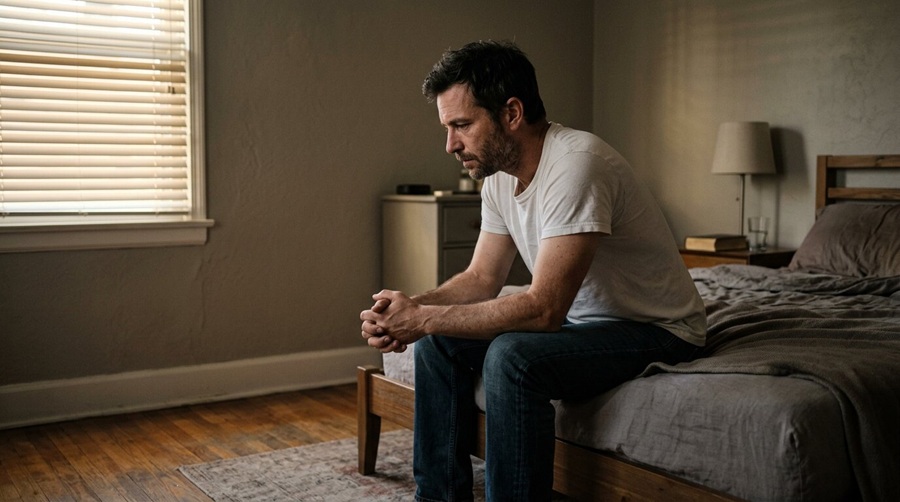
Conversations about emotions do not come easily for everyone. For many men, expressing feelings can feel unfamiliar, uncomfortable, or even unnecessary. This pattern does not develop overnight. It is shaped over time by expectations, experiences, and learned behavior. Understanding why this happens helps clarify what gets in the way of open communication and what can support healthier emotional expression.
Early Conditioning and Social Expectations
The way boys are taught to handle emotions often carries into adulthood. From an early age, many are encouraged to stay strong, avoid showing vulnerability, and manage problems on their own.
Phrases that discourage emotional expression may seem minor in the moment, but they reinforce the idea that feelings should be controlled or hidden. Over time, this creates a habit of internalizing emotions rather than talking about them.
By adulthood, this conditioning can make emotional conversations feel unnatural or even uncomfortable. It is not always a conscious choice. It is often a learned response that has been repeated for years.
The Role of Masculinity Norms
Cultural expectations around masculinity can further shape how men relate to their emotions. Strength, independence, and control are often emphasized, while vulnerability is less openly encouraged.
For some men, expressing feelings may feel like it conflicts with these expectations. This can create hesitation, especially in situations where emotional openness might be perceived as weakness.
Common patterns linked to these norms include:
- Emotional restraint
Holding back feelings to maintain a sense of control. - Problem focused communication
Prioritizing solutions over discussing emotions. - Avoidance of vulnerability
Steering away from conversations that involve personal struggles. - Preference for independence
Managing challenges internally rather than seeking support.
These patterns do not affect every individual in the same way, but they are widely observed across different environments.
Fear of Judgment and Misunderstanding
Even when men recognize the value of expressing emotions, fear can still act as a barrier. Concerns about being judged, misunderstood, or dismissed often make it harder to speak openly.
In some cases, past experiences reinforce this hesitation. If emotional expression was met with criticism or discomfort from others, it can lead to avoidance in future situations.
This fear is not always obvious. It may appear as silence, deflection, or a tendency to change the subject. Over time, it limits opportunities for meaningful communication and support.
How Emotional Suppression Affects Mental Health
Suppressing emotions does not eliminate them. Instead, it often leads to increased stress and internal pressure. When feelings are not processed, they can build up and affect both mental and physical health.
Common effects of emotional suppression include:
- Increased anxiety
Unexpressed thoughts and emotions can contribute to ongoing tension. - Irritability or anger
Emotions may surface in indirect ways when they are not addressed directly. - Difficulty forming connections
Limited emotional communication can affect relationships. - Higher risk of burnout
Carrying unresolved stress over time can impact overall well-being.
Recognizing these patterns is an important step toward addressing them in a healthier way.
Why Some Men Find It Easier in Structured Support Settings
Changing long-standing habits around emotional expression often requires the right environment. In settings where communication is encouraged and guided, men may find it easier to open up.
According to Into Action Recovery, a men's rehab Center in Phoenix, men hide their feelings more often when they lack structured support and clear expectations around communication. In therapeutic environments, consistent routines and facilitated discussions can reduce pressure and create space for honest conversation.
These settings often focus on practical communication skills, helping individuals identify emotions, express them clearly, and respond to others in a constructive way.
Building More Open Communication Over Time
Developing the ability to talk about feelings is a gradual process. It often starts with small steps rather than immediate change.
This may involve recognizing emotions as they arise, becoming more comfortable with naming them, and slowly sharing them in safe and supportive settings. Over time, these actions can build confidence and reduce the discomfort associated with emotional conversations.
Consistency plays a key role. The more often these skills are practiced, the more natural they become.
A Clearer Perspective on Emotional Expression
The difficulty many men experience when talking about their feelings is shaped by a combination of early conditioning, social expectations, and personal experiences. These factors influence how emotions are understood, managed, and expressed.
Addressing this challenge involves recognizing these influences and creating environments that support more direct and open communication.